Most water spots aren't your fault—they're mineral deposits from your local water supply.
See what's happening to your windows and gutters. Understand why. Fix it right.
Hard water minerals accumulate on glass surfaces as water evaporates, leaving behind calcium and magnesium deposits. These spots are cosmetic rather than structural, but they signal that your water quality and drainage patterns deserve attention.
Understanding the source of water spots helps you distinguish between harmless mineral buildup and genuine window seal failure or gutter overflow. ClearView Diagnostics identifies which spots indicate deeper problems requiring repair versus simple cleaning.
What you're seeing—and what it means
Learn to read the signs your home is sending.
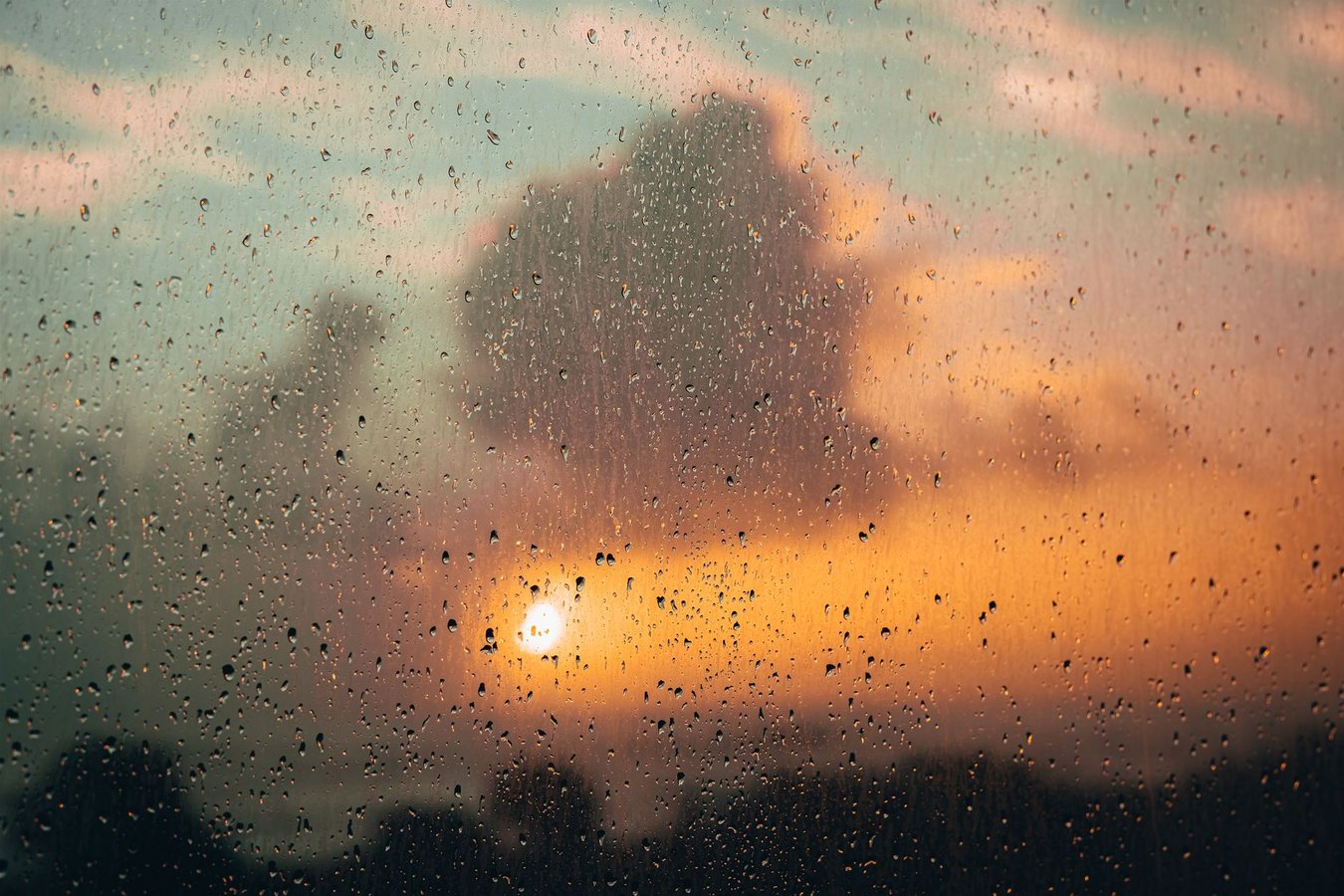
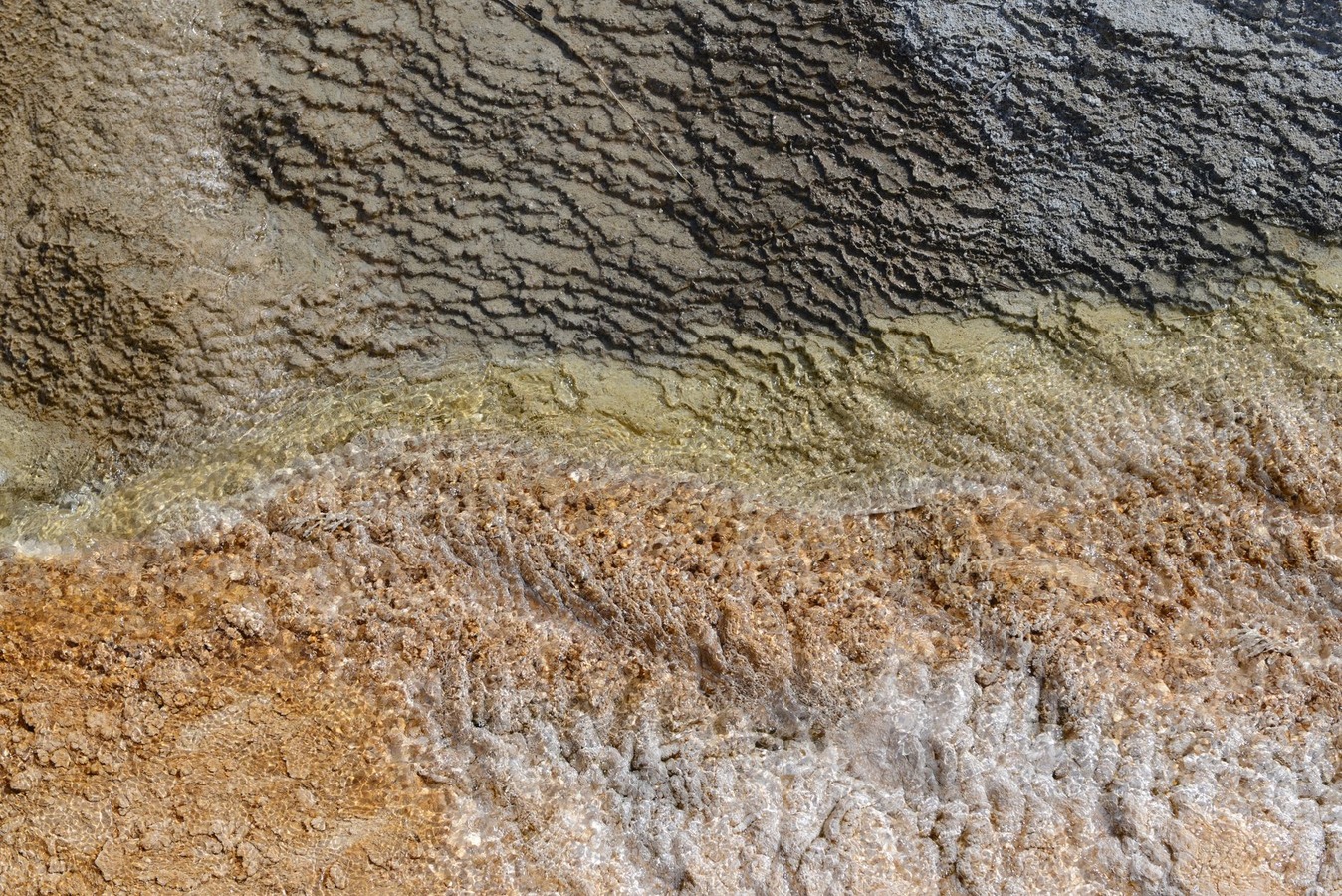
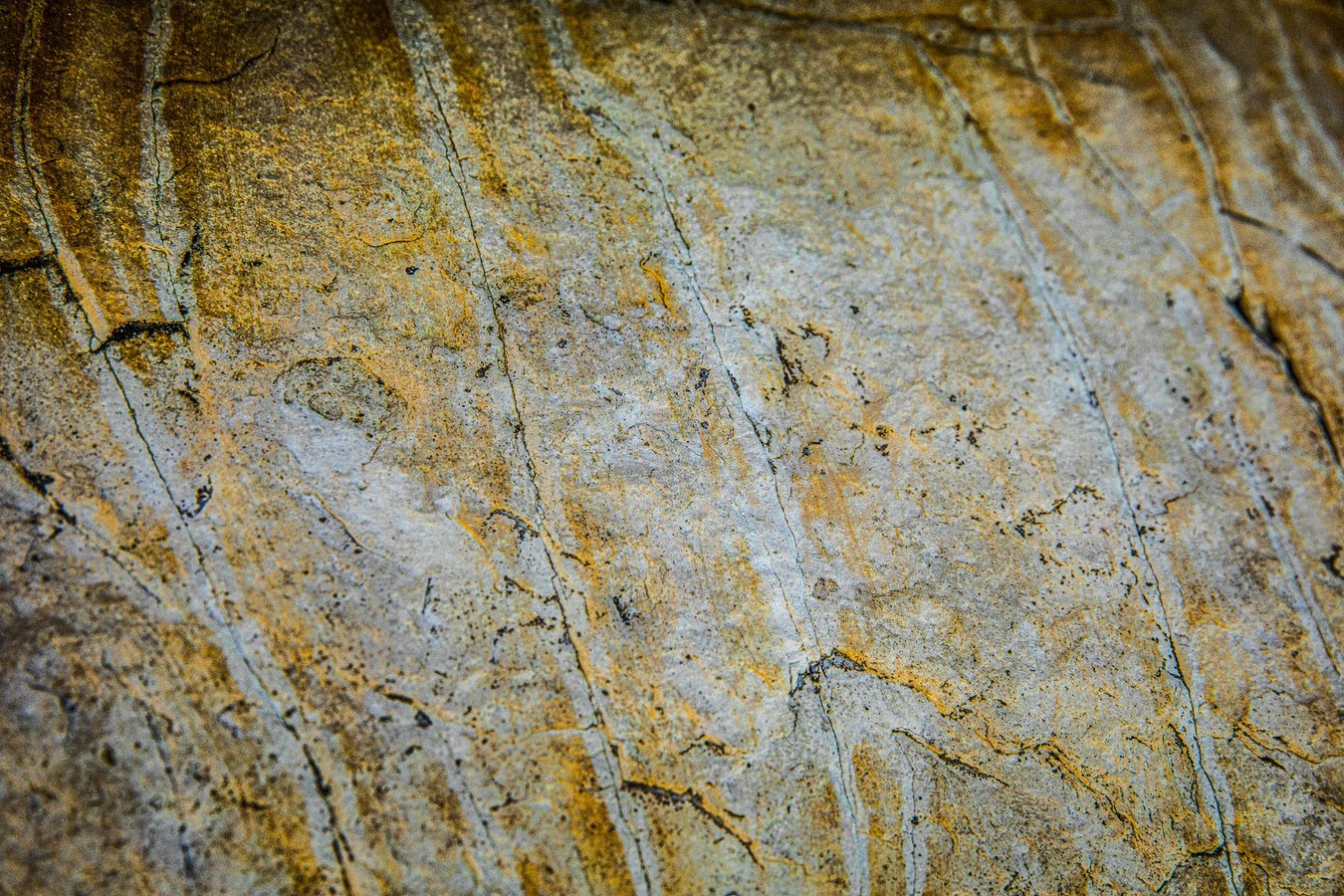
Water spots, hazing, and discoloration each tell different stories about your windows and gutters. Mineral deposits appear uniform and removable, while condensation between panes signals seal breakdown. Rust stains or wood rot around frames indicate drainage failure.
Seasonal changes expose vulnerabilities: spring runoff overwhelms gutters, summer heat stresses seals, and winter freeze-thaw cycles crack caulking. Recognizing these patterns helps you act before minor issues become costly water damage inside your home.
The path from water supply to visible damage
A structured breakdown of seasonal and chemical factors.
Water Source
Hard water from your local supply contains dissolved minerals including calcium and magnesium that accumulate on surfaces.
Mineral Concentration
As water evaporates from windows and gutters, minerals remain behind and concentrate into visible white or cloudy deposits.
Deposit Accumulation
Repeated exposure to hard water over weeks and months builds layers of mineral scale that become increasingly difficult to remove.
Visible Staining
The accumulated deposits create permanent-looking stains that degrade your home's appearance and can damage protective coatings.
Before-and-after: What changed and why
Annotated case studies from local properties.
Symptom-to-solution FAQ
Hard water stains, UV damage, seasonal debris—answered.
What causes hard water stains on windows?
Hard water contains dissolved minerals that remain on glass surfaces after water evaporates. In Alexandria's climate, mineral deposits accumulate rapidly on south-facing windows exposed to direct sunlight and frequent water contact from rain and irrigation runoff.
Can UV damage be reversed?
UV exposure degrades window sealants and protective coatings over time, but early diagnostic intervention can slow progression. Applying UV-protective treatments and addressing underlying water damage prevents further deterioration of frames and glass.
How do ice dams form in winter?
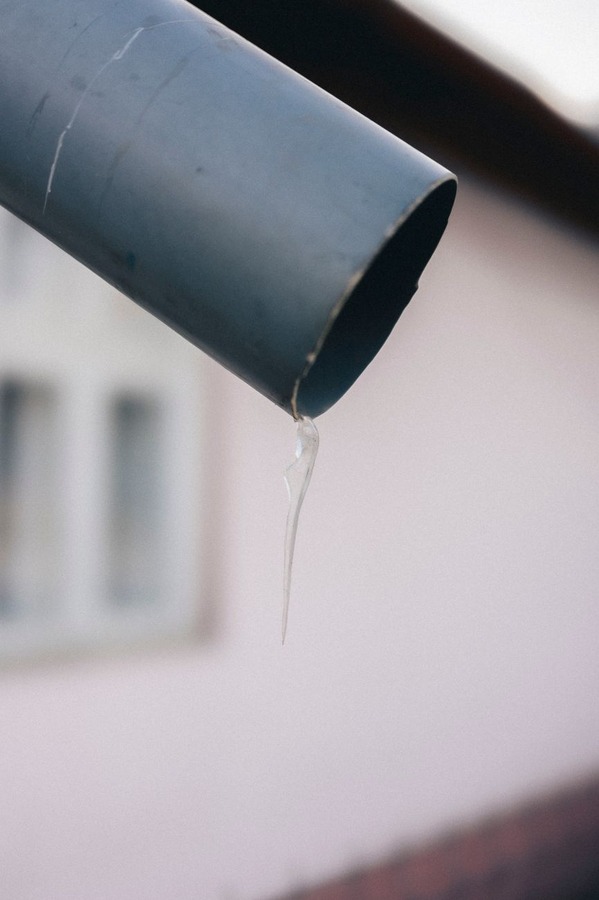
Ice dams develop when warm air from inside your home melts snow on the roof, but the water refreezes at the cold gutter edge. Blocked gutters filled with seasonal debris prevent proper drainage, accelerating ice dam formation and water backup under shingles.
Why does seasonal debris matter?
Leaves, twigs, and sediment accumulate in gutters throughout fall and winter, blocking water flow and creating standing water that promotes rust, mineral concentration, and structural damage to gutter systems and fascia boards.
Start your diagnostic consultation
Tell us what you're seeing. We'll identify the cause and recommend next steps.
Describe visible symptoms on your windows or gutters—water spots, mineral buildup, ice dam patterns, or seasonal debris—and our diagnostic team will provide a root-cause assessment and targeted solution pathway tailored to your home's specific conditions.